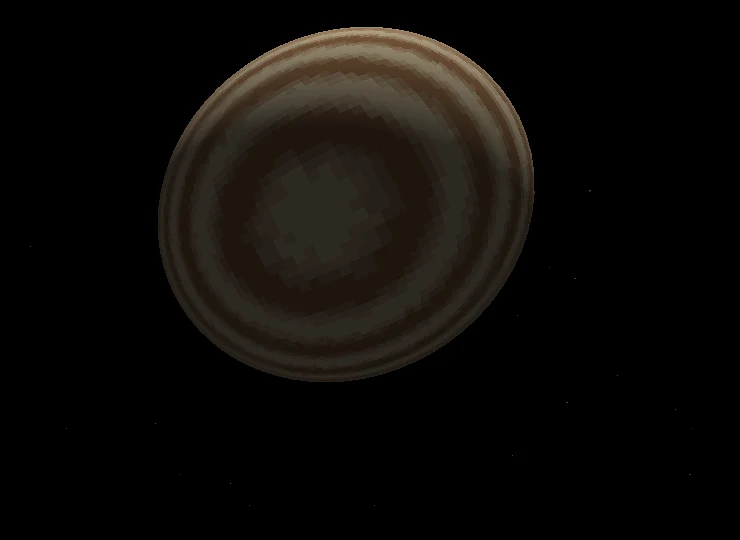
| Homeworld |
Land and shorelines with room for a shelter, mine entrance, and workshop |
Hearth |
| Rocky |
Exposed rock; check a landing site up close rather than judging flatness from orbit |
Anvil |
| Asteroid |
On small bodies, check the outline and surface clearance separately. Size alone doesn’t tell you the Atlas world type |
Fleck, a moon of Hearth |
| Lush |
Extensive vegetation; look for open ground before landing |
Viridia |
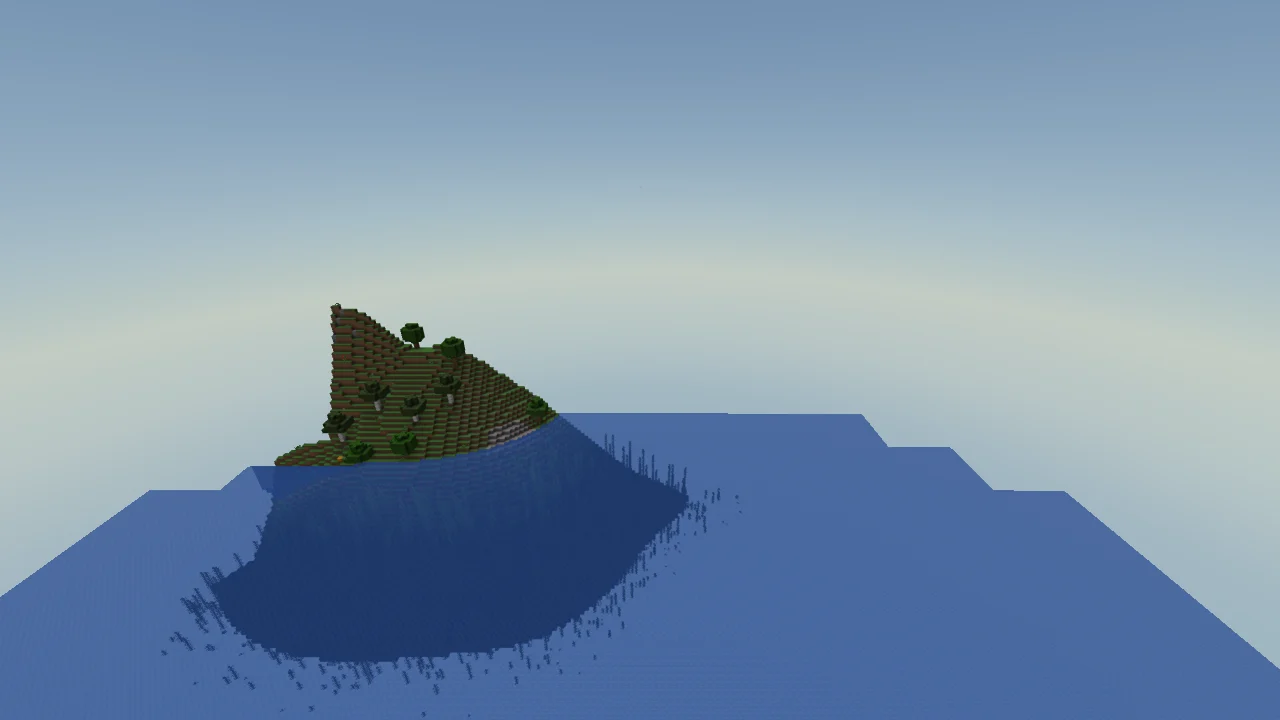
| Archipelago |
Water separates land areas; check shorelines and clearance on the island itself |
Pelagia |
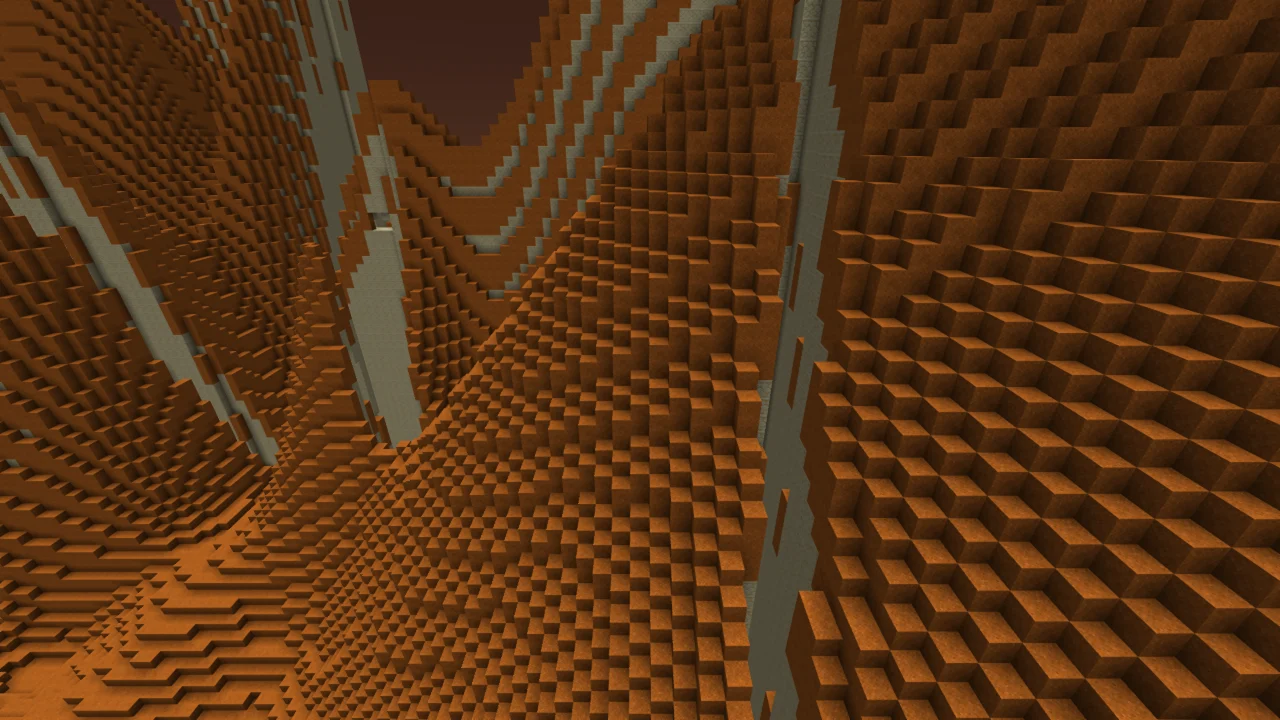
| Desert |
Sandy ground and a source of bauxite |
Saffron |
| Mushroom |
Mushroom terrain; don’t mistake a cap for a landing site |
Haven |
| Sculk |
Check the sculk-covered terrain and actual ground rather than judging clearance from a dark outline |
Hush |
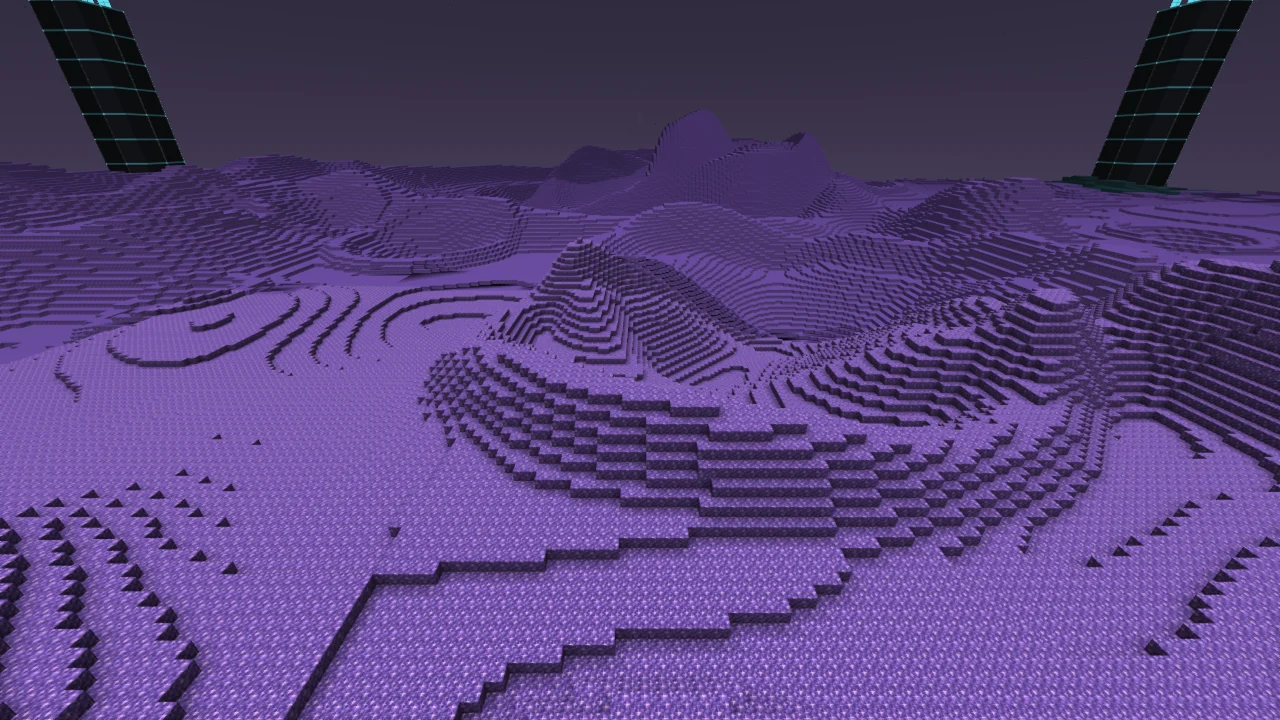
| End |
End-type terrain; check the edge of the actual landing area on approach |
Ivory |
| Basalt |
Basalt terrain; look for changes in elevation before landing |
Cinder |
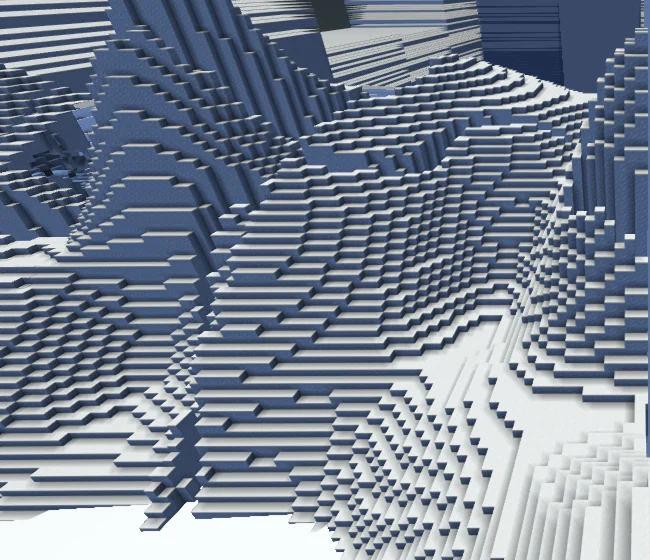
| Frozen |
Ice and uneven terrain; bright surfaces aren’t necessarily flat |
Rime |
| Crystal |
Crystal terrain; inspect the ore up close when looking for fluorite |
Prism |
| Flesh |
Nest ridges and pits can cut across a walking route; plan your way out first |
Flesh |
| Gas giant |
Watch atmospheric pressure rather than looking for a landing surface |
Amber |